
Guide
What Cold Does to an Old Torsion Spring in Vienna
Why Vienna's 1960s-70s housing stock and cold winters make torsion springs snap without warning, and what to check before you call anyone.
Local detail
What Is Going On
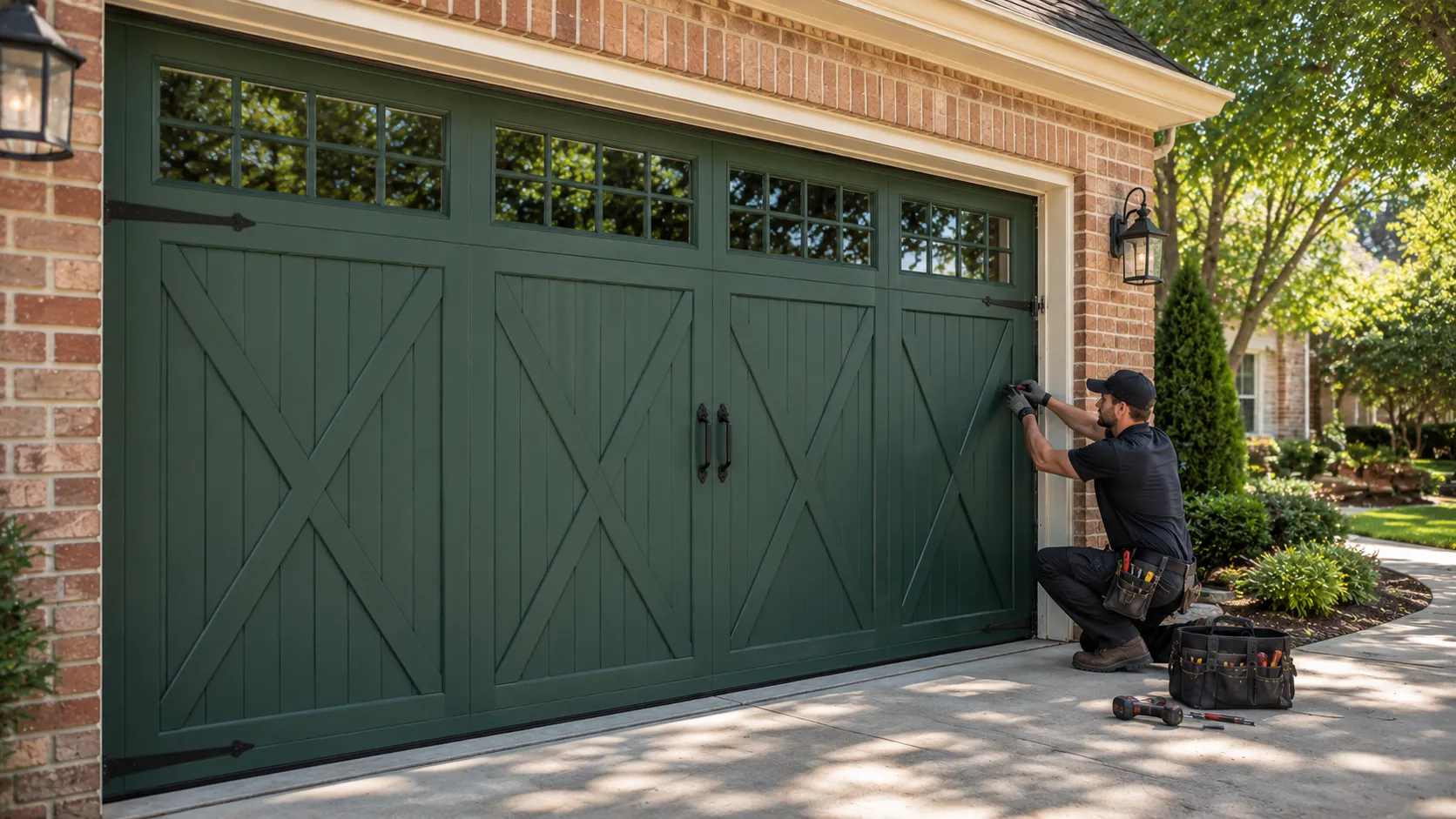
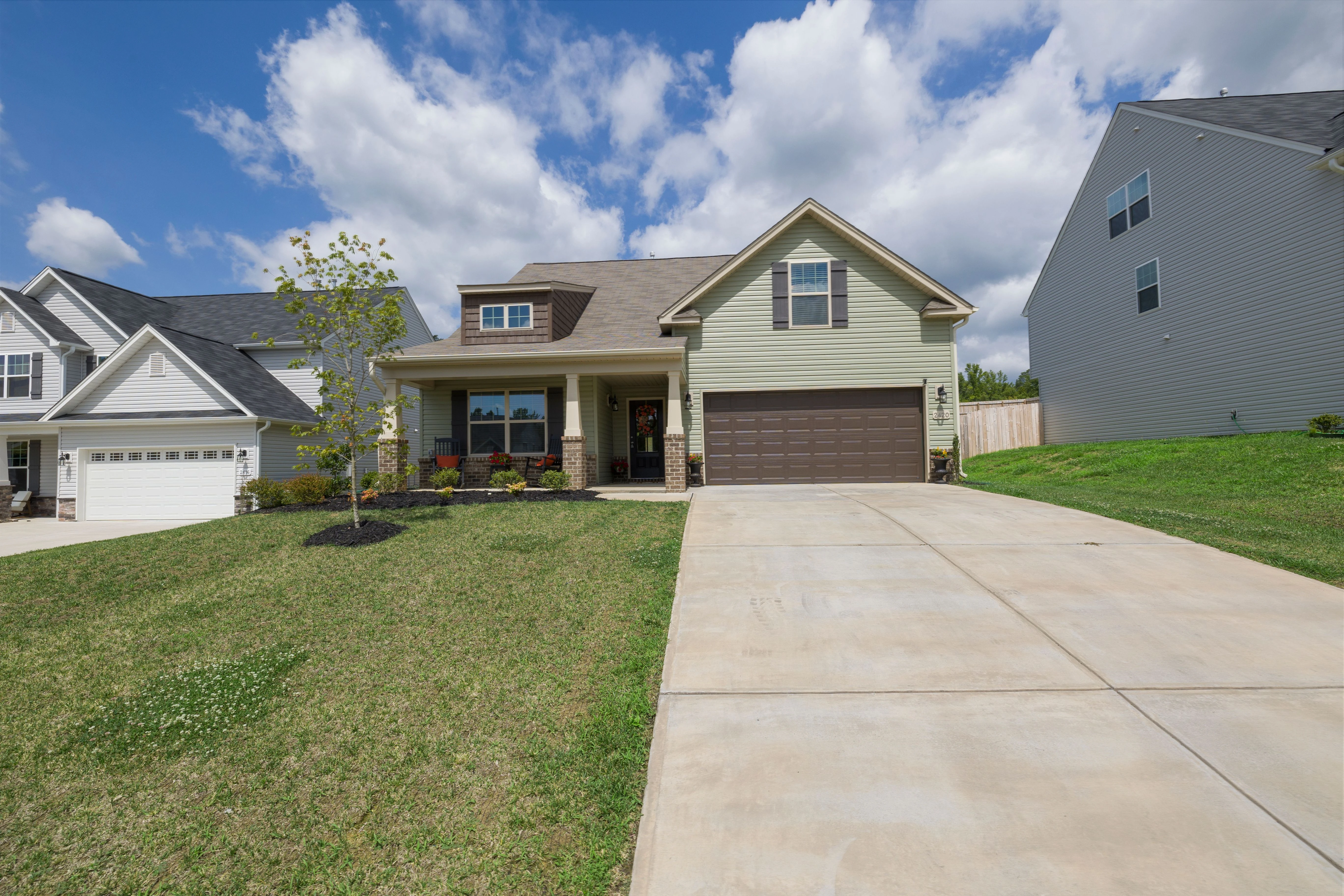
Most of the doors we look at around here sit on houses built between 1940 and 2015, with the bulk of that stock going up in the 1960s and 70s across neighborhoods like Dunn Loring, Wolf Trap, and Mantua. That matters more than people think. A torsion spring has a duty cycle - it's rated for a number of open-close cycles, not a number of years - and a spring installed when a house was built in, say, 1968 has had five decades to work through that cycle count.
Steel fatigues. It doesn't announce itself first. One morning the door won't lift, or it slams down instead of gliding, and that's the spring, not the opener, even though the opener usually gets blamed first.
In a service area with 44,682 owner-occupied houses spanning that same build era, this isn't a rare call. It's the single most common reason we get a call from someone whose door "just stopped working overnight."
The area
What the Weather Here Does to It
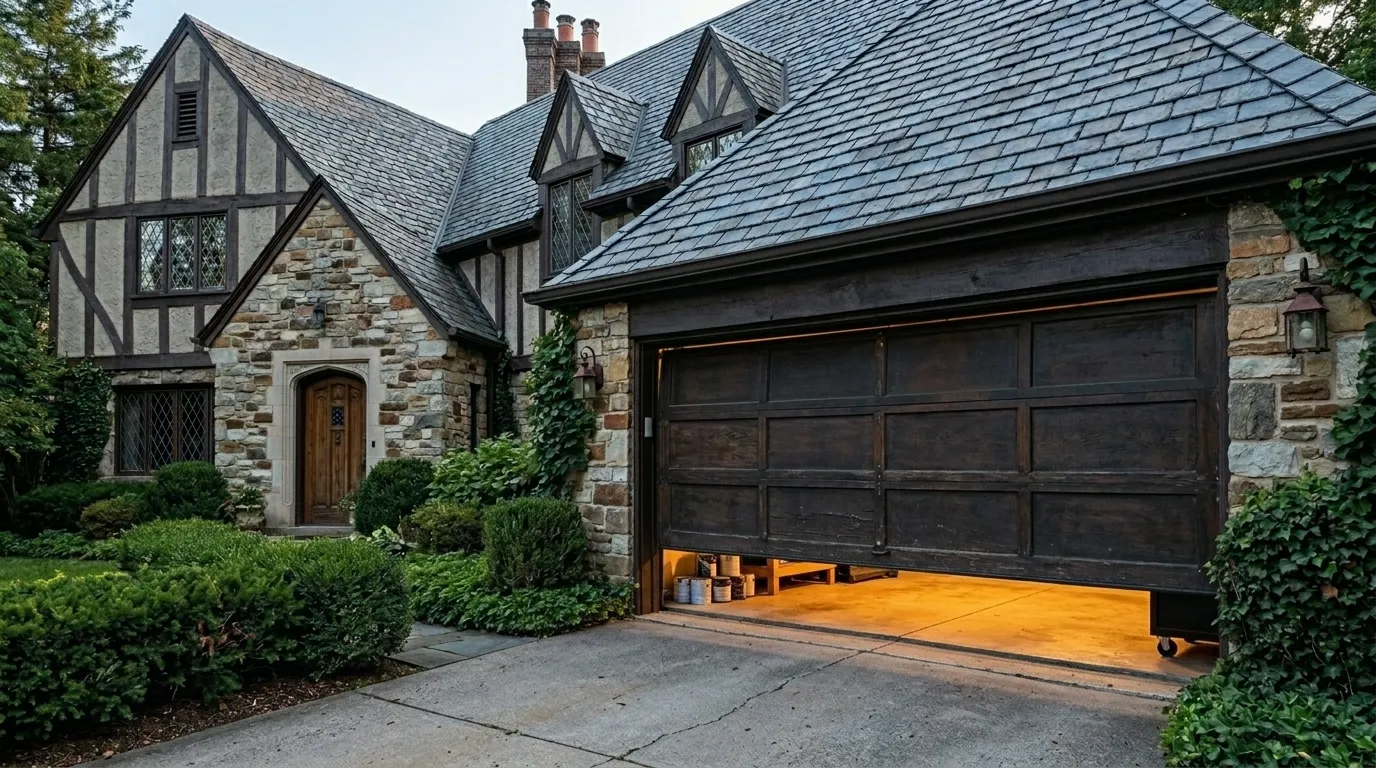
This area sits in a cold-severe climate band, and steel contracts as temperature drops. A spring that's already near the end of its cycle life is under more tension in January than it was in July, because the metal itself is stiffer and less forgiving of the same twist. That's why the failure clusters happen on the first hard cold snap of the season, not in the middle of summer.
If your spring was already fatigued from thirty or forty years of use, a cold morning is often the thing that finally breaks it, not because cold weather damages springs on its own, but because it removes whatever margin was left. Owners sometimes describe hearing a loud bang from the garage before dawn on a cold day - that's usually the spring letting go, not the door falling off the track.
What we find
What to Look At First
Before you assume the worst, look at the spring itself - it sits above the door, usually a single spring on a torsion bar or two smaller ones side by side. A separated spring has a visible gap in the coil, usually an inch or more, where it snapped clean. If you see that, stop trying to open the door with the opener; the opener isn't built to lift a door with no spring tension and you can burn out the motor trying.
Next, check the age of the door itself against when the house was built - if the house is original 1960s or 70s stock and the door has never been replaced, you're likely dealing with original hardware that's simply run its course, not a fluke. Houses built later, closer to 2015, are less likely to be at this stage yet, so age matters as much as the weather did that morning.
How we work
Leaving It Alone
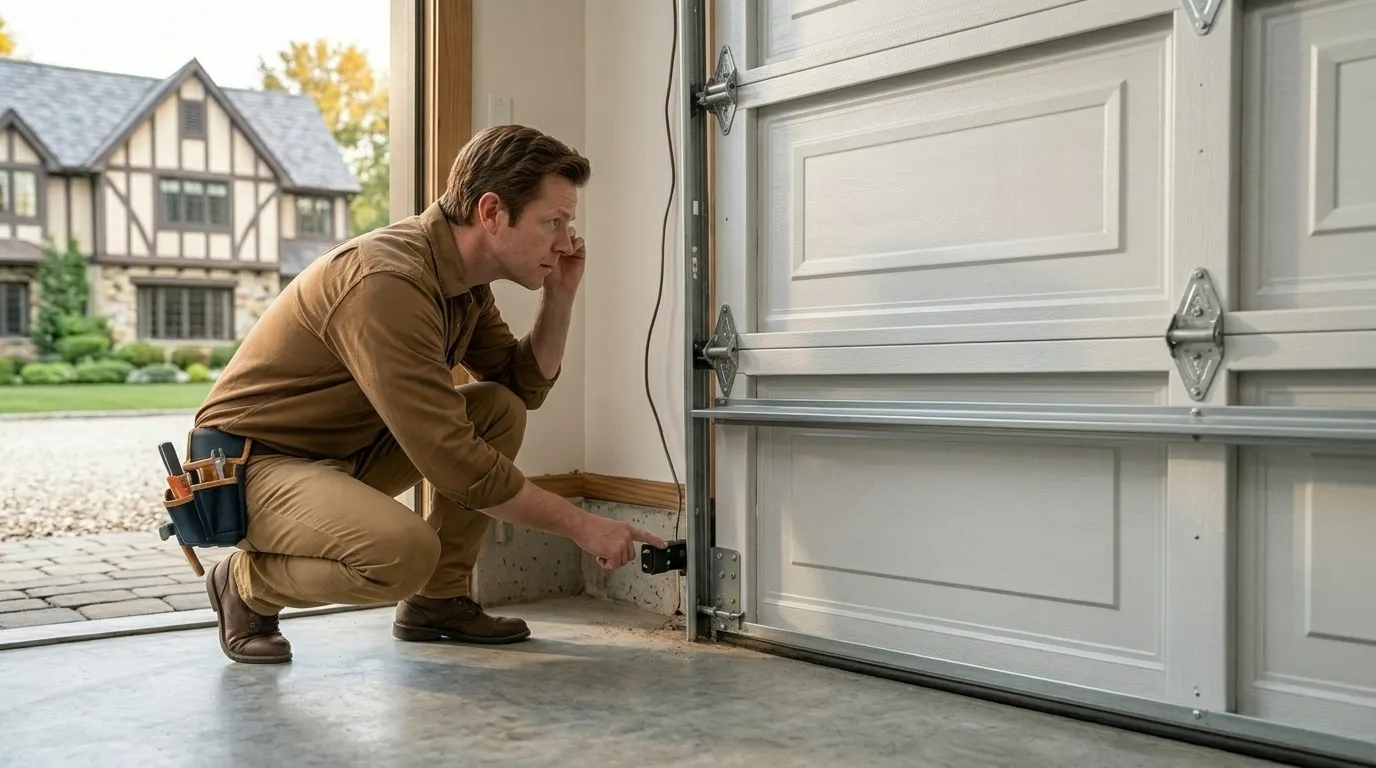
Here's the honest limitation: we don't recommend replacing a torsion spring yourself, and we won't talk you through it over the phone. The spring is under enough tension to cause a serious injury if it's released wrong, and that's true no matter how simple the videos make it look. What we will say is that if your door is original to a 1960s or 70s build and one spring just went, the other side is usually not far behind - it's seen the same cycles and the same cold.
Replacing both at once costs more up front but saves a second service call within a year or two. If the door itself is warped, rusted through, or the track is bent from someone forcing it while the spring was broken, that's a different conversation, and sometimes replacement makes more sense than repair.
Questions
Common questions
Why did my garage door spring break overnight with no warning?
Torsion springs fail by fatigue, not by sudden damage, so there's rarely a warning. A spring installed decades ago has worked through most of its rated cycle life already. Cold weather adds tension to steel that's already near its limit, which is why breaks cluster on the first cold mornings of the season rather than spreading evenly through the year.
Is it worth replacing an original spring from when the house was built?
If your house dates to the 1960s or 70s, which covers a lot of this area, an original spring has almost certainly outlived its intended cycle count. Replacing it now, rather than waiting for it to snap, avoids a stuck door on a cold morning and the risk of the opener straining against a dead spring.
Should I replace one spring or both at once?
If your door has two springs and one just broke, the other has seen identical age and identical cold, so it's usually close behind. We generally suggest doing both at the same time rather than paying for two separate service calls within a year of each other.
Ready when you are
Need a garage door sorted in Vienna?
Vienna Garage Door Pros repairs and installs garage doors, springs and openers in Vienna, VA and the surrounding area.