
Guide
Is Your Old Garage Door Worth Fixing, or Done
Vienna homes mostly date to the 1960s and 70s. Here's how to tell if your door's original hardware is worth repairing or if it's finally time to replace it.
Local detail
What Is Going On
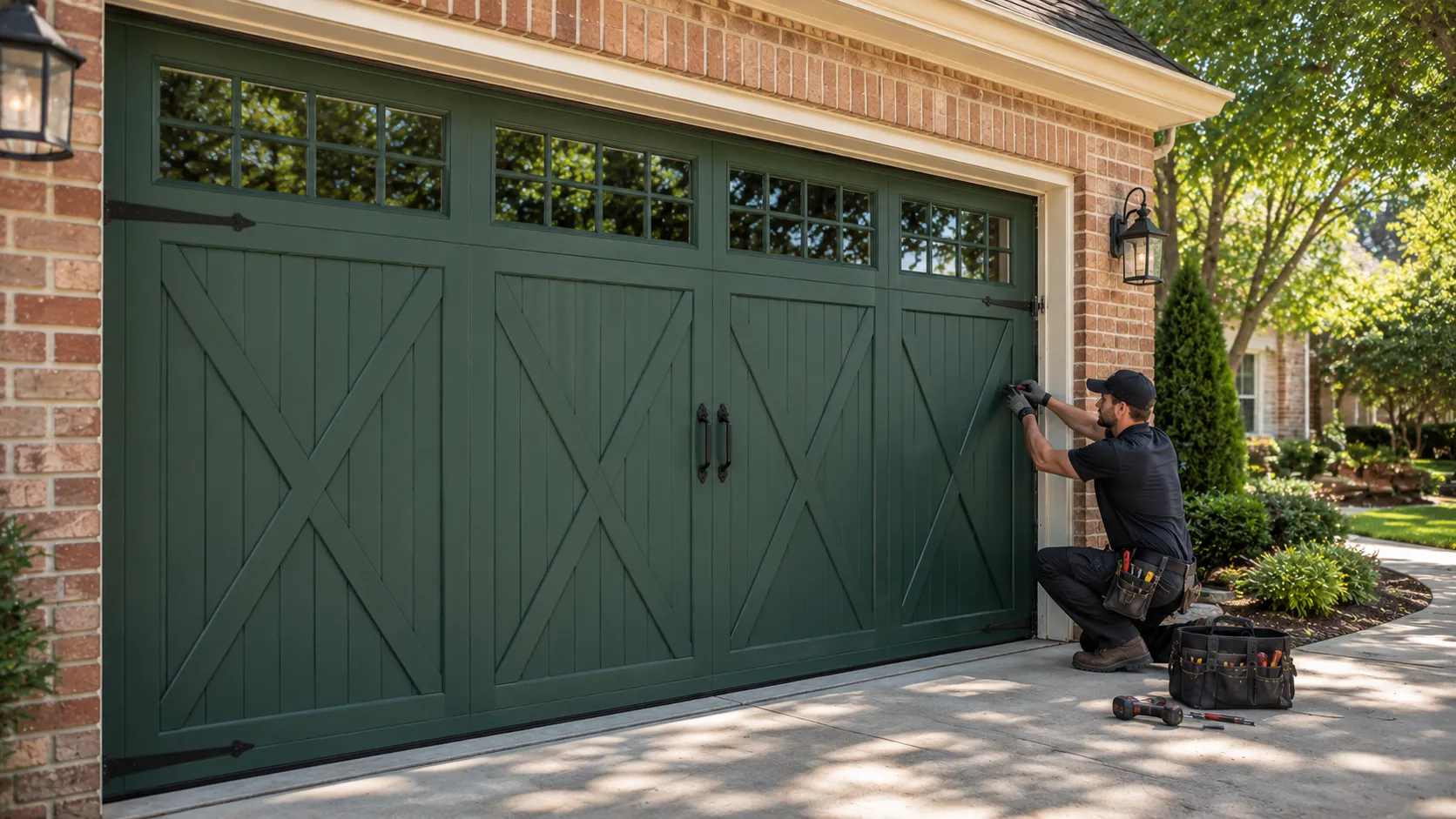
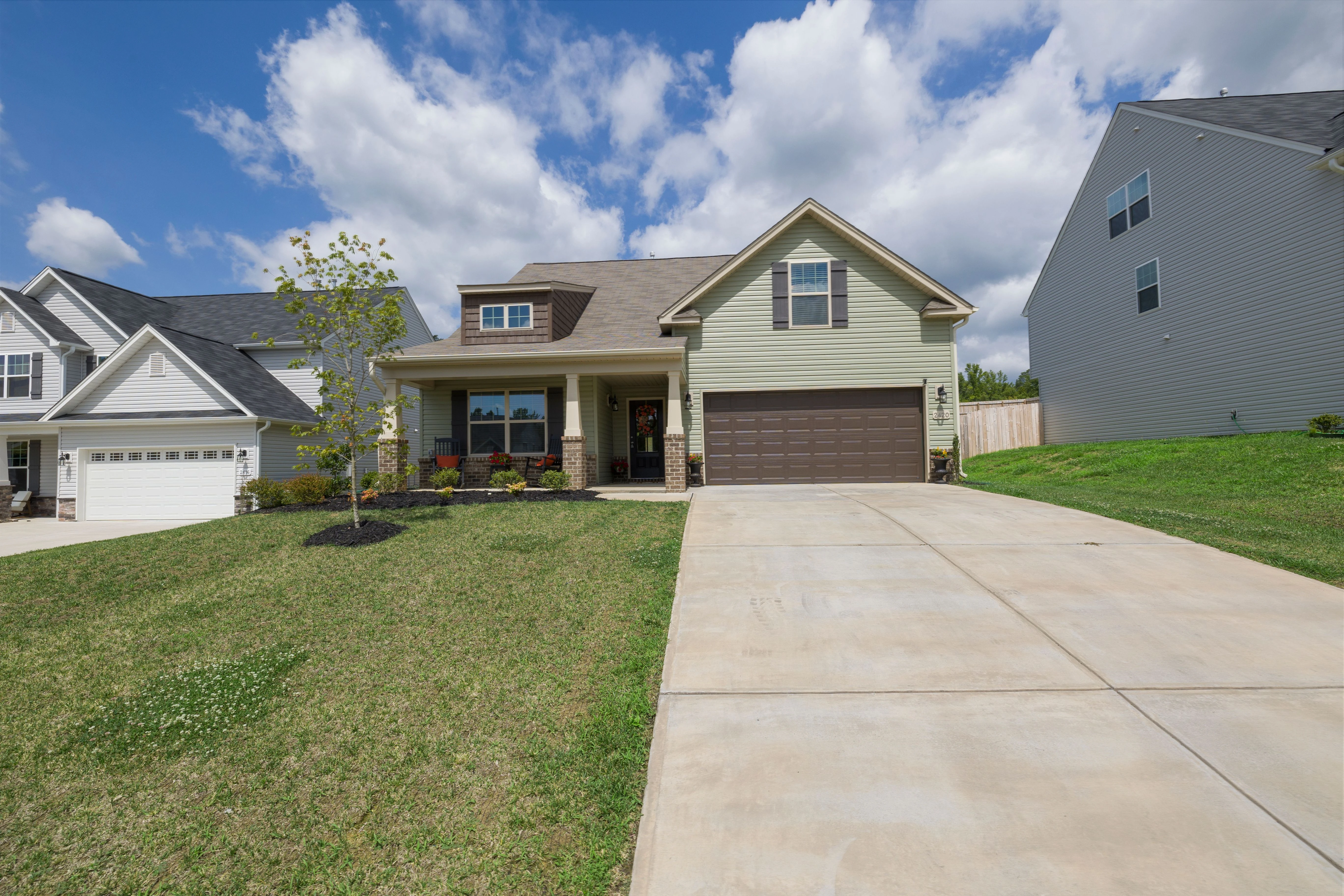
Most of the houses we get called to sit on lots built between 1940 and 2015, but the bulk of that stock clusters in the 1960s and 70s - the era when Vienna filled in around areas like Dunn Loring, Mantua, and Pimmit Hills. That matters because a door installed with the house, or replaced once in the 80s or 90s, is running hardware nobody makes the same way anymore: single-torsion springs sized for lighter wood panels, steel tracks bent to old rough openings, openers with drive systems that predate any kind of safety reversal sensor. When a spring goes on one of these doors, the fix isn't always a spring.
Sometimes the track is bent enough from decades of use that a new spring just finds the next weak point in six months. We look at the whole system before we quote anything, because on a door this old, one part rarely fails alone.
The area
What the Weather Here Does to It
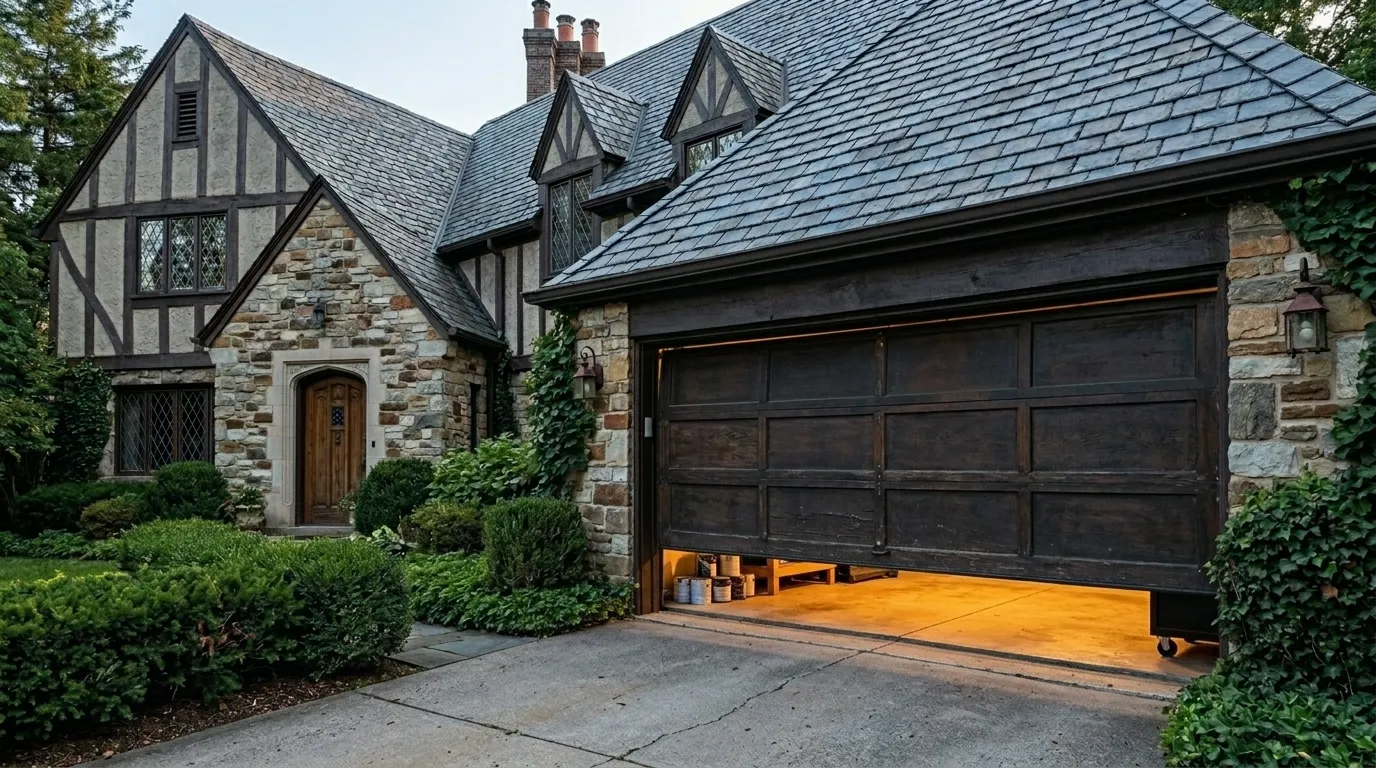
This area sits in a cold-severe climate band, which means real freeze-thaw cycling every winter, not just the occasional cold snap. On an older door that's been through forty or fifty of those cycles, the wear shows in specific places: nylon rollers gone brittle and flat-spotted, hinges that have worked loose in their screw holes from metal contracting and expanding, weatherstripping at the bottom panel that's cracked and stopped sealing.
None of that is dramatic on its own. Together, it's why a 1970s door that closes fine in July can bind, drag, or drop crooked the first hard freeze of the year - the cold exposes slack that was already there.
What we find
What to Look At First
Before you spend money, check three things. First, the springs: if they're the original torsion springs from a 60s or 70s install, they've likely outlived their rated cycle count already, and a spring that age failing under tension is the single most common emergency call we get. Second, the track alignment - stand back and sight down both tracks; any visible bow or gap at the wall bracket usually means the door has been running out of square for a while.
Third, the panels themselves: steel panels from that era rust from the inside out at the bottom seam, and once you can flex the bottom panel with hand pressure, patching it doesn't hold. If all three check out sound, a repair is usually the right call. If two of three are shot, you're paying to delay a replacement, not avoid one.
How we work
Leaving It Alone
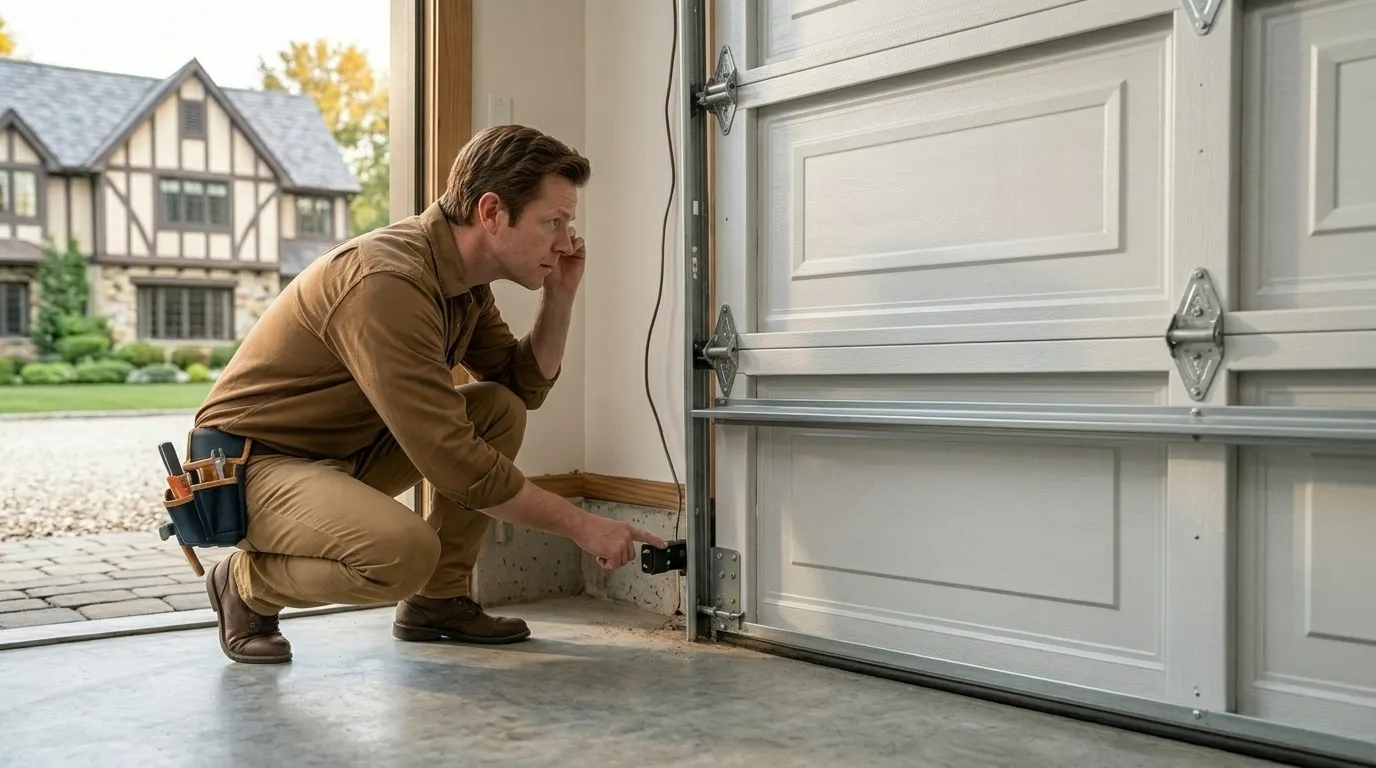
Here's the honest limit: if your door is original to a 1960s or 70s build in this area and the opener is original too, we won't always recommend fixing the opener separately. Parts for drive systems that old are getting hard to source, and a new opener paired with worn 50-year-old track hardware just transfers the strain somewhere else.
Sometimes the right answer is to do nothing yet - a stiff door that still opens and closes safely doesn't need a truck out for a look, and we'd rather tell you that than run up a bill. We'll say plainly when a repair isn't worth doing, and when the smarter move is waiting until the next failure forces the decision anyway.
Questions
Common questions
How do I know if my garage door is original to the house?
If your house went up in the 1960s or 70s, which describes most of this area's stock, check the spring and track style - single torsion springs mounted center-shaft with steel roll-formed track usually point to an original or early-replacement install. Panel style and hinge spacing are other tells. If you're not sure, we can look at it.
Why does my door get worse specifically in winter?
This area sees real freeze-thaw cycling every year. Cold contracts metal hardware and stiffens rollers and seals that were already worn, so slack that's invisible in summer shows up as binding, dragging, or crooked closing once temperatures drop hard.
Is it cheaper to fix an old door than replace it?
Sometimes, not always. A single failed spring on an otherwise sound door is usually worth fixing. But if the track is bent and the panel bottom is rusted through, you're often paying repair money toward a door that fails again within a year or two.
Do you work outside Vienna itself?
We cover the surrounding area, including places like Dunn Loring, Wolf Trap, Mantua, and Pimmit Hills. If you're further out, give us a call and we can tell you if it's within reach.
Ready when you are
Need a garage door sorted in Vienna?
Vienna Garage Door Pros repairs and installs garage doors, springs and openers in Vienna, VA and the surrounding area.