
Guide
What a Service Call Actually Covers
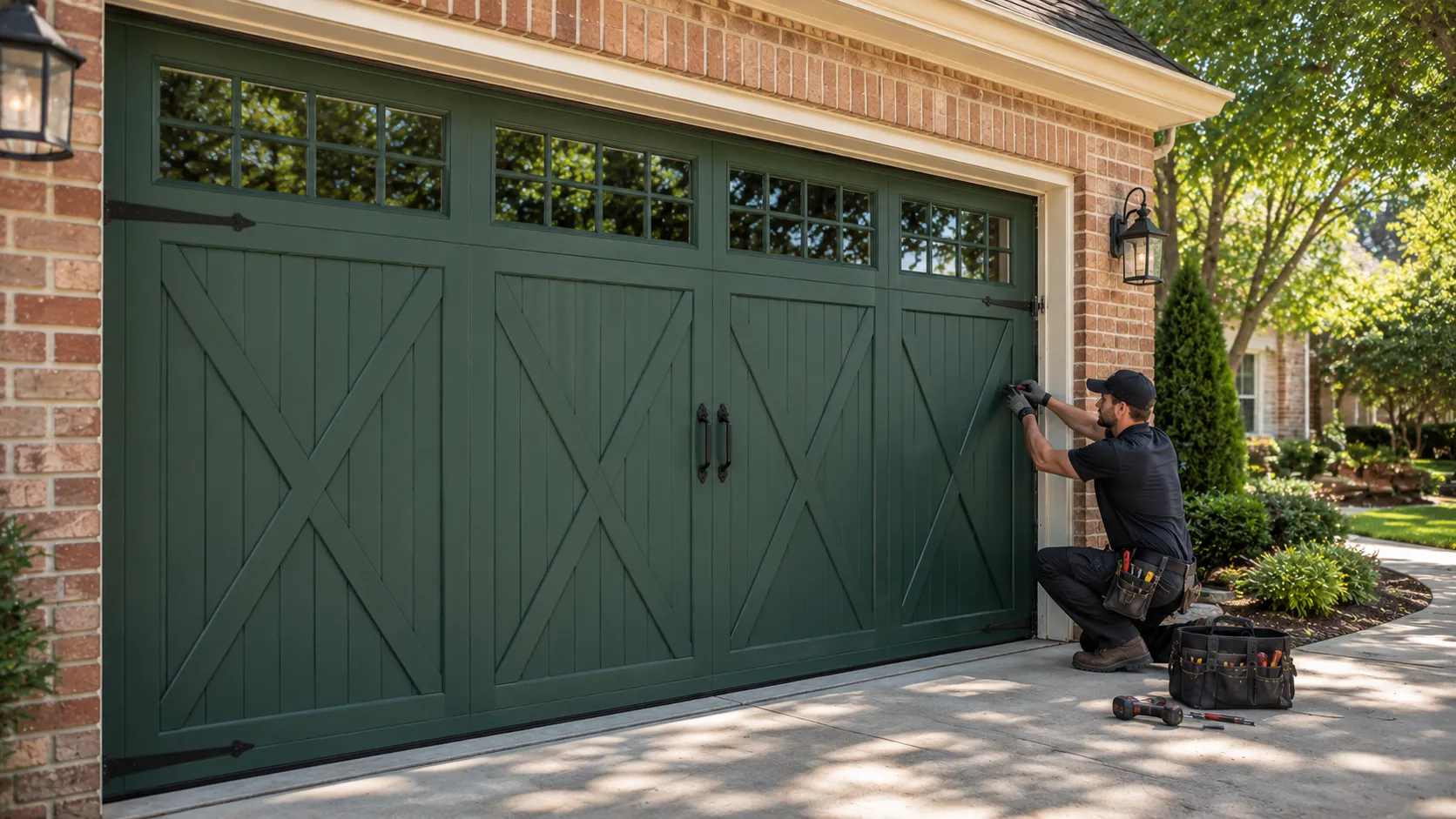
A look at what our techs actually check on a Vienna service call, and why houses built between 1940 and 2015 near Dunn Loring and Mantua need different attention.
Local detail
What Is Going On
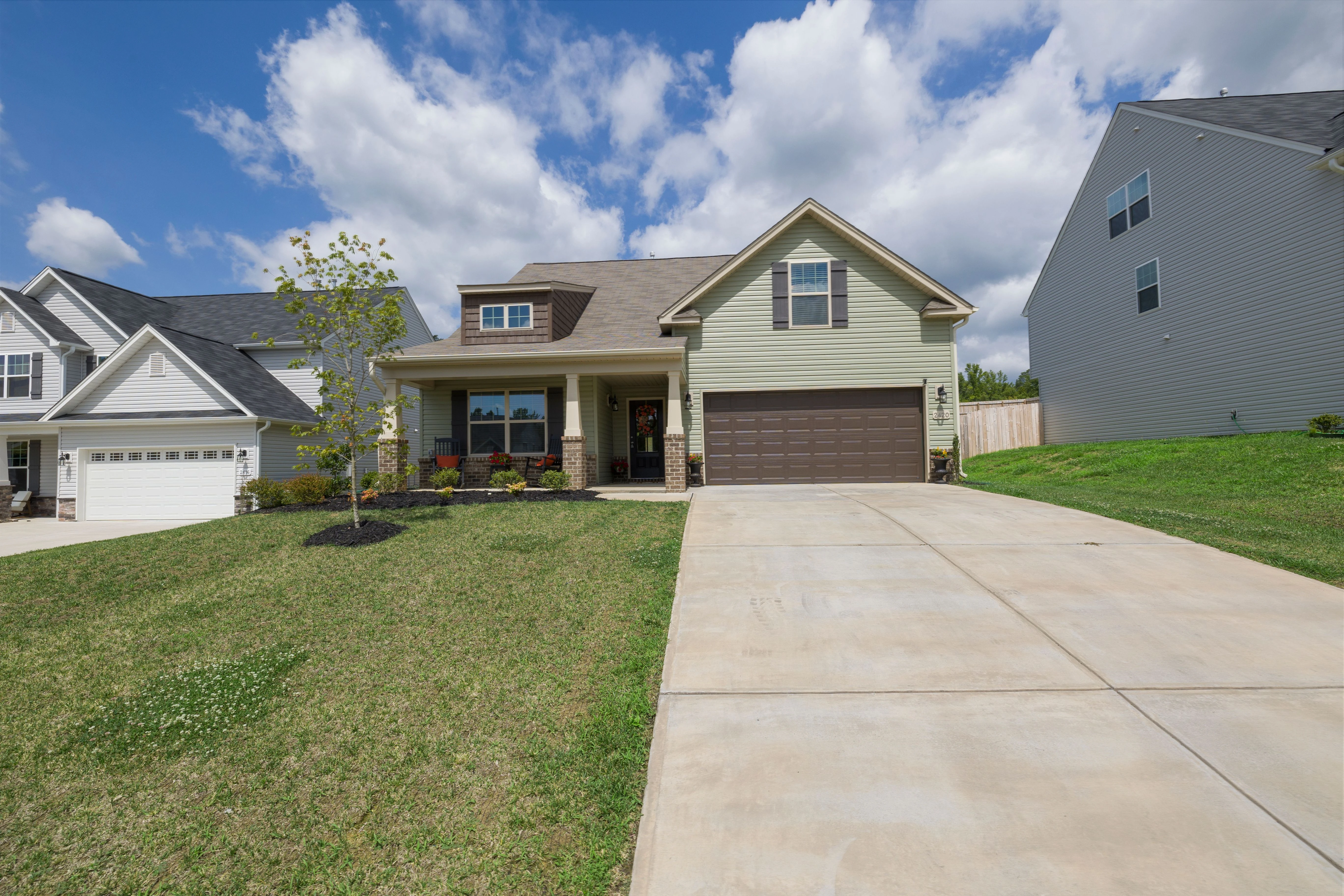
When you call us out to a house in Vienna, we're not just showing up to fix the one thing you noticed. Most of the housing stock here went up between 1940 and 2015, with a heavy concentration of 1960s and 70s construction spread across two dozen named pockets of the area - from Dunn Loring and Pimmit Hills to Mantua and North Springfield. That range matters because a door installed in 1968 and a door installed in 2005 fail in different ways, even if the symptom looks the same from the driveway.
A service call starts with the track and the header first, not the opener, because on the older end of that build range the header framing has often shifted a little over fifty-plus years and the track brackets are the first thing to work loose. On newer builds in the same neighborhoods, we're more likely looking at opener logic boards or worn nylon rollers than structural movement. We check both possibilities before we touch a wrench, because guessing wastes your money and our time.
We also look at what's around the door - weatherstripping, bottom seal, the condition of the slab it sits on - because in a service area this size, with over 44,000 owner-occupied houses, we see the same handful of failure patterns repeat street after street. Knowing which decade a house belongs to tells us where to look first.
The area
What the Weather Here Does to It
Vienna sits in a climate band we'd call cold and severe, and that shows up directly in garage door hardware. Steel torsion springs lose tension faster with repeated hard freeze and thaw cycles, and the grease in older bearings thickens in cold snaps, which makes the door feel heavy on the first open of a cold morning even when nothing is actually broken yet. That's a call we get a lot in winter, and it's often not the emergency it feels like.
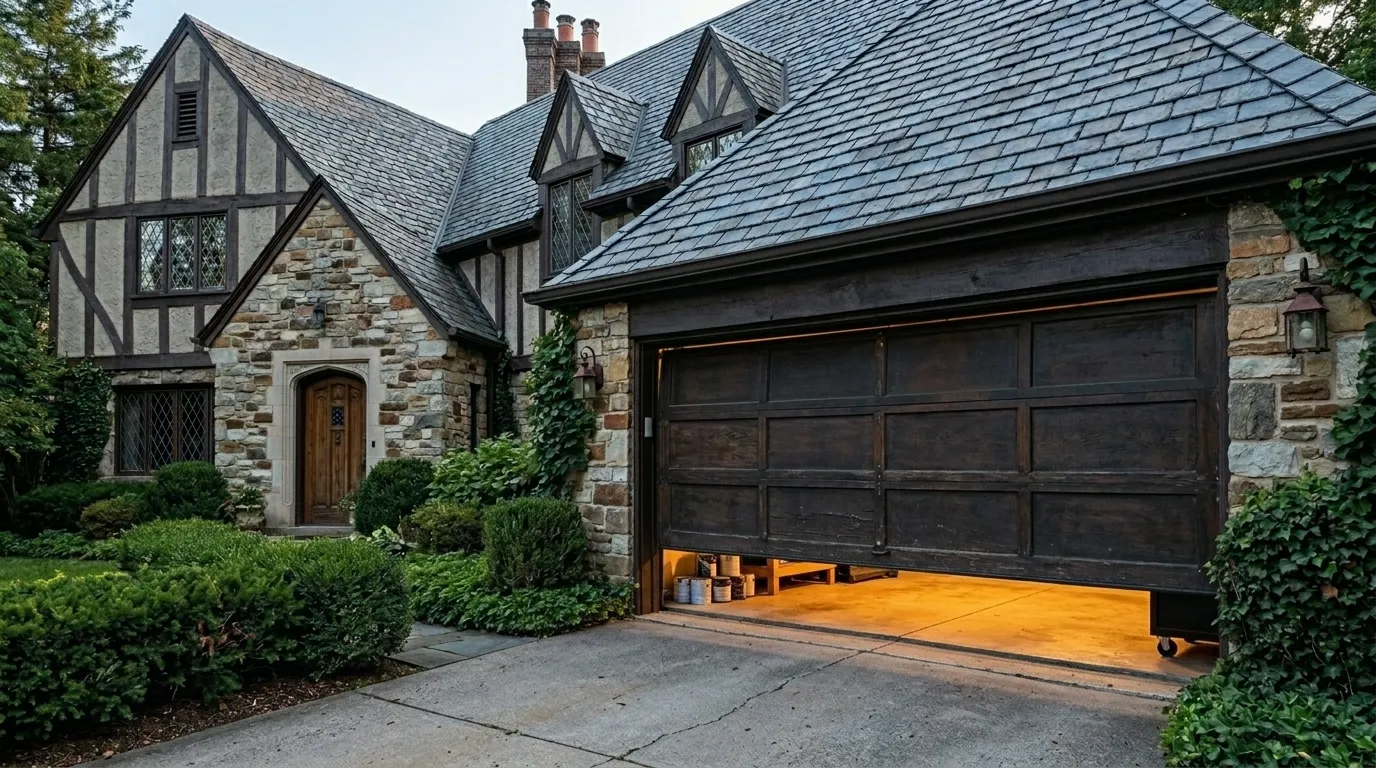
Cold also affects the slab. Concrete contracts in freezing temperatures, and on houses from the 1960s and 70s stock that make up so much of this area, that slab has had decades of cycles to develop a slight pitch or a hairline crack at the threshold. That changes how the bottom seal sits, which lets in more cold air and moisture than the door was ever designed to handle, and it's a big reason older doors here whistle or drag more than you'd expect for their age.
On a service call, we check spring tension against the season, not just against the door's rated cycle count, because a spring that reads fine on a mild day can already be near failure by January. We also check the seal and the slab edge for the kind of gap that cold weather makes worse, not better.
What we find
What to Look At First
Start with the year your house was built if you know it. Anything in that 1940s-through-70s range common across this area is more likely to have original hardware still in place - side-mounted torsion springs, steel tracks bent by hand rather than stamped, bottom brackets that were never rated for today's heavier insulated panels. If your door is original to a house from that era, the springs alone are worth a look even if nothing looks obviously wrong.
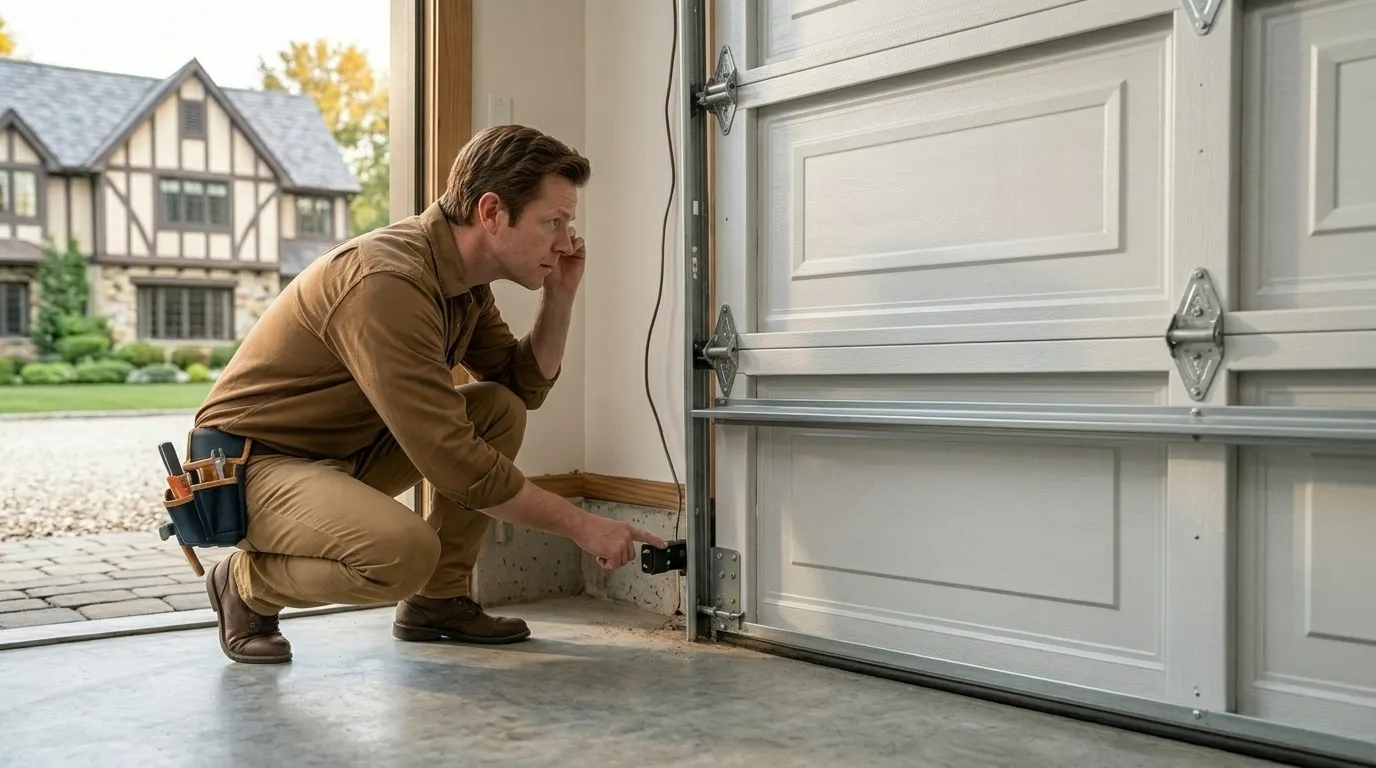
Next, check the bottom corner brackets and the cable that runs to them. On older stock, these brackets loosen slowly over years of cold-weather cycling, and a loose bracket paired with a worn cable is the most common cause of a door that suddenly drops crooked. It's not usually the opener's fault, even though the opener is what people blame first.
Finally, look at the weatherstrip along the bottom and sides. If it's cracked, flattened, or pulling away from the frame, that's often the first visible sign that the slab or frame has shifted slightly - common enough in a service area with this much older housing stock. None of this requires a technician to spot from the driveway. A homeowner can check all three before ever picking up the phone.
How we work
Leaving It Alone
Not every noisy door needs a truck. If your door is from the newer end of the build range and the only issue is a squeaky roller, a little garage-door-specific lubricant on the rollers and hinges solves it more often than not, and we'd rather you try that first than pay a trip charge for something you can fix in five minutes.
We also won't tell you to replace a door just because it's original to a 1960s or 70s house. Plenty of that older hardware, torsion springs especially, was built heavier than what goes into doors today, and if it's been maintained it can still have real life left in it. Replacement makes sense when the track is bent beyond adjustment or the panel itself is rusted through, not just because the door is old.
Where we draw the line: if your opener logic board is the failure, we don't stock every model's board on the truck, since there are too many manufacturers and years in circulation across a service area this size. That can mean a short wait on a part. We'll tell you that up front instead of promising a same-visit fix we can't deliver.
Questions
Common questions
My garage door is heavy to lift in the morning but fine by afternoon. Is that normal?
In cold weather, yes, that's a common pattern here. Grease thickens overnight and spring steel loses a bit of tension in a hard freeze, then loosens up as temperatures rise. If it happens every cold morning without fail, it's worth having the spring tension checked before it becomes a real break.
How do I know if my door's hardware is original?
If your house was built in the 1960s or 70s, which describes a lot of homes across this area, and the springs are mounted on the side of the track rather than centered above the door, that's usually original torsion hardware. We can confirm on a service call without needing to replace anything just to look.
Is a cracked bottom seal an emergency?
Not usually, but don't ignore it through a cold winter. A cracked or flattened seal lets in more cold air and water than it should, and on older slabs that have shifted slightly over the decades, it's often the first visible sign of a bigger gap issue at the threshold.
Do you carry parts for every opener model on the truck?
No. There are too many manufacturers and model years in circulation across a service area this size for that to be practical. Most repairs we handle same-visit, but an opener logic board sometimes means a short parts wait, and we'll tell you that before starting the job.
Ready when you are
Need a garage door sorted in Vienna?
Vienna Garage Door Pros repairs and installs garage doors, springs and openers in Vienna, VA and the surrounding area.