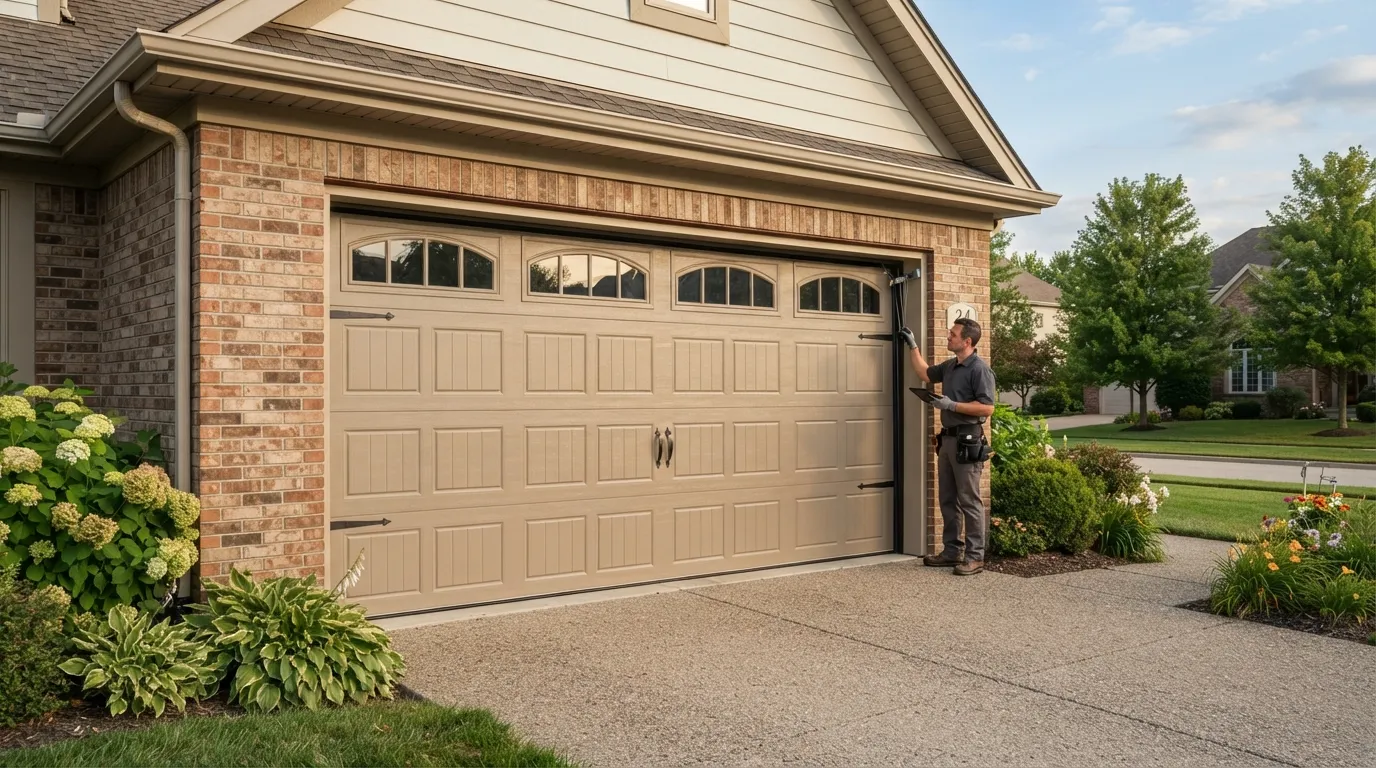
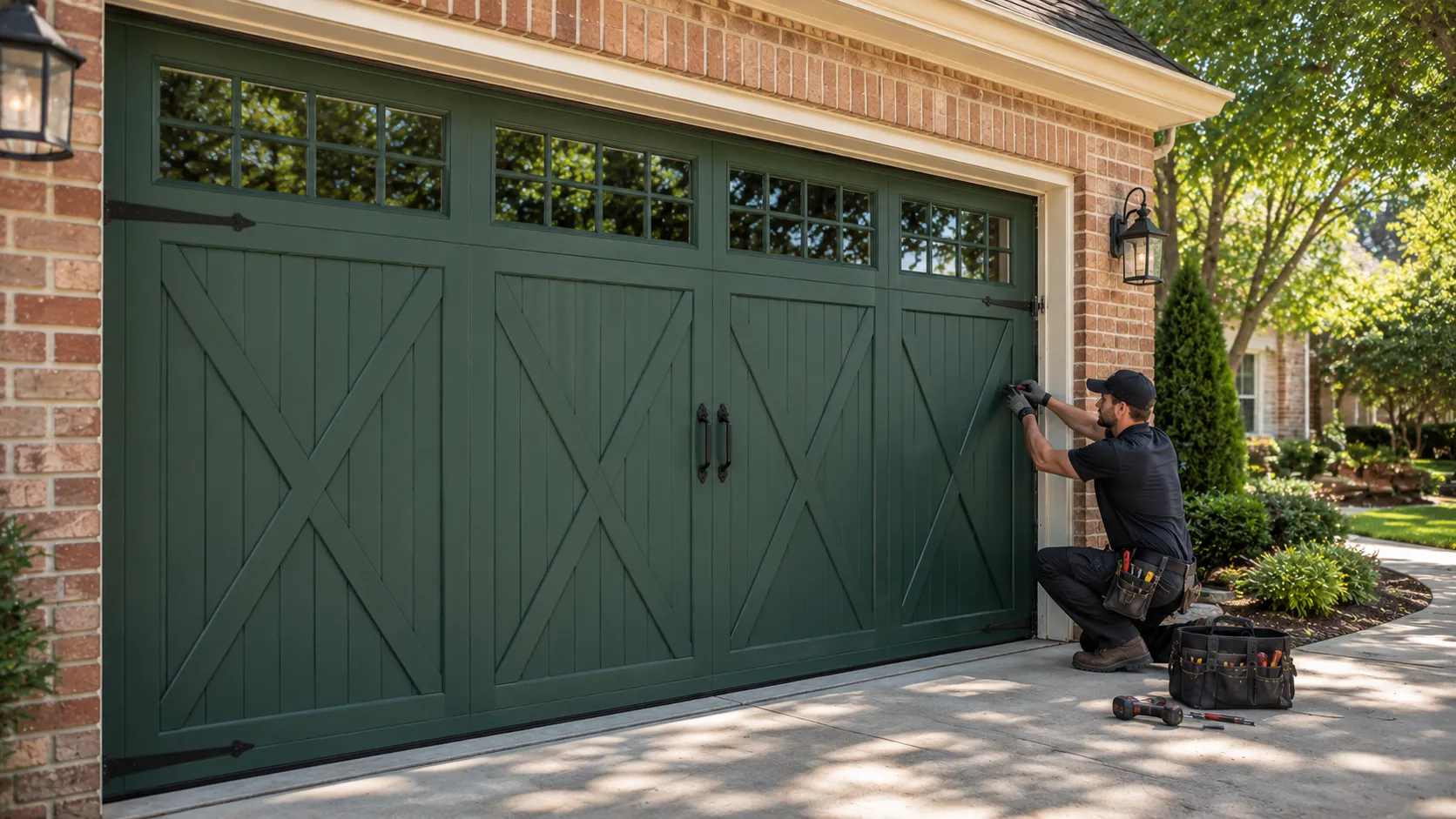
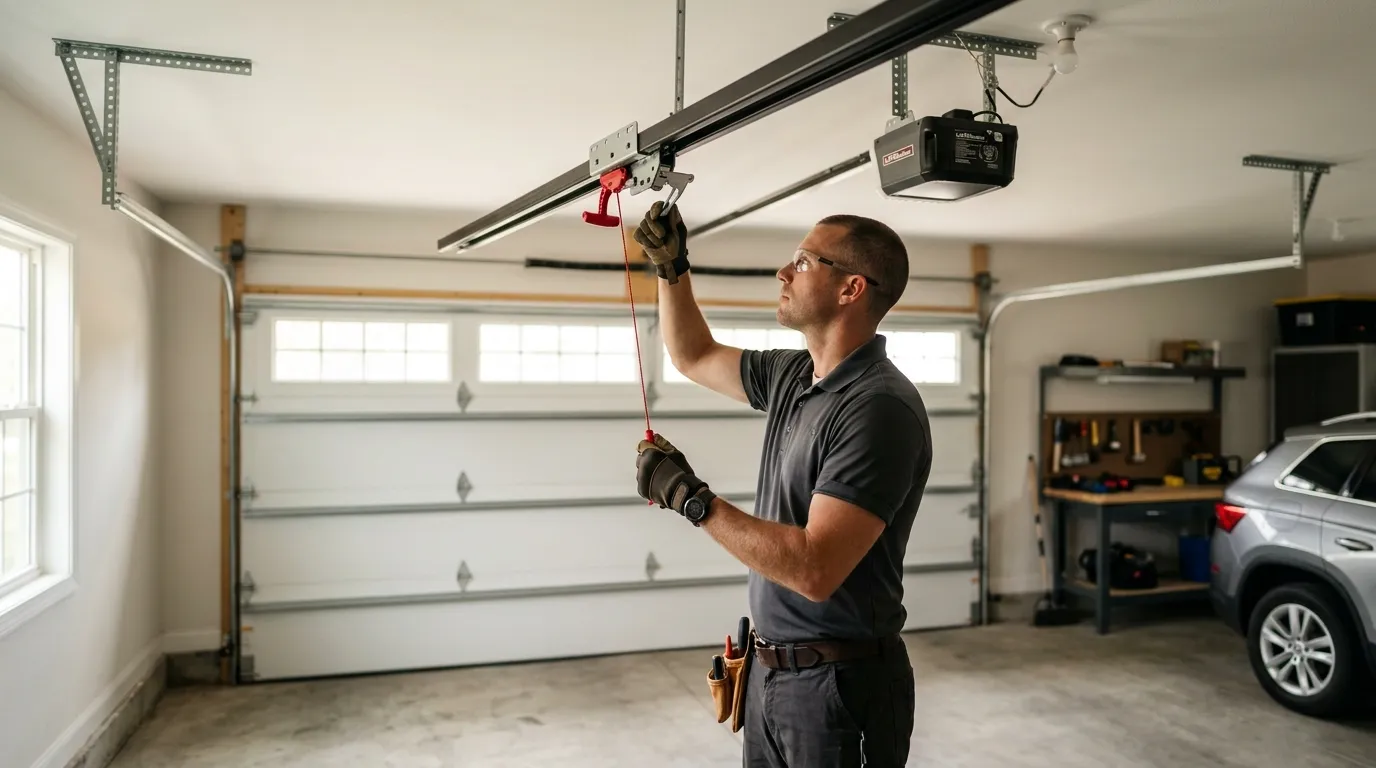
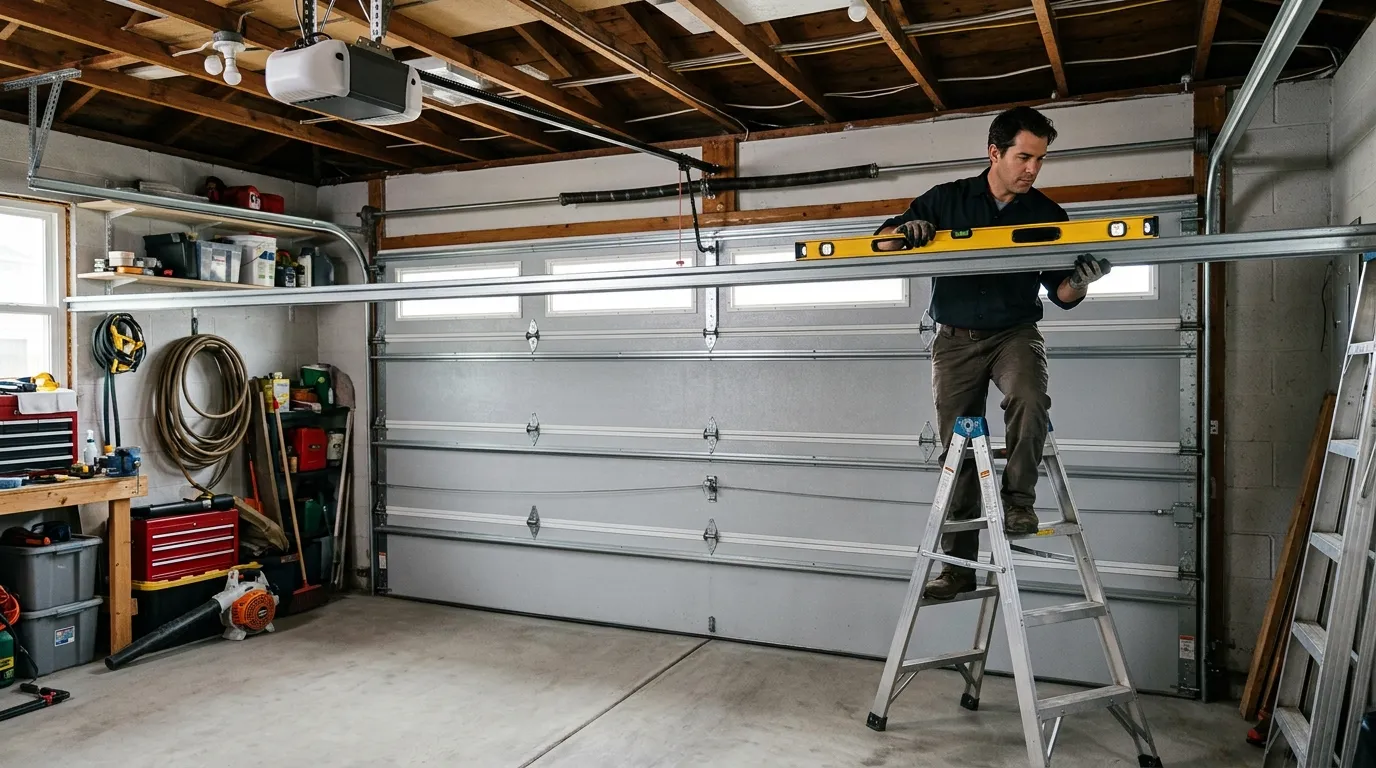
Walk any street near Vienna and you'll notice the pattern: split-levels and colonials that went up between the 1940s and the 2010s, with most of the stock dating to the 1960s and 70s across the two dozen named areas we work in. That means a lot of original garage doors - thin steel panels, no insulation, openers with worn gears - are running on borrowed time.
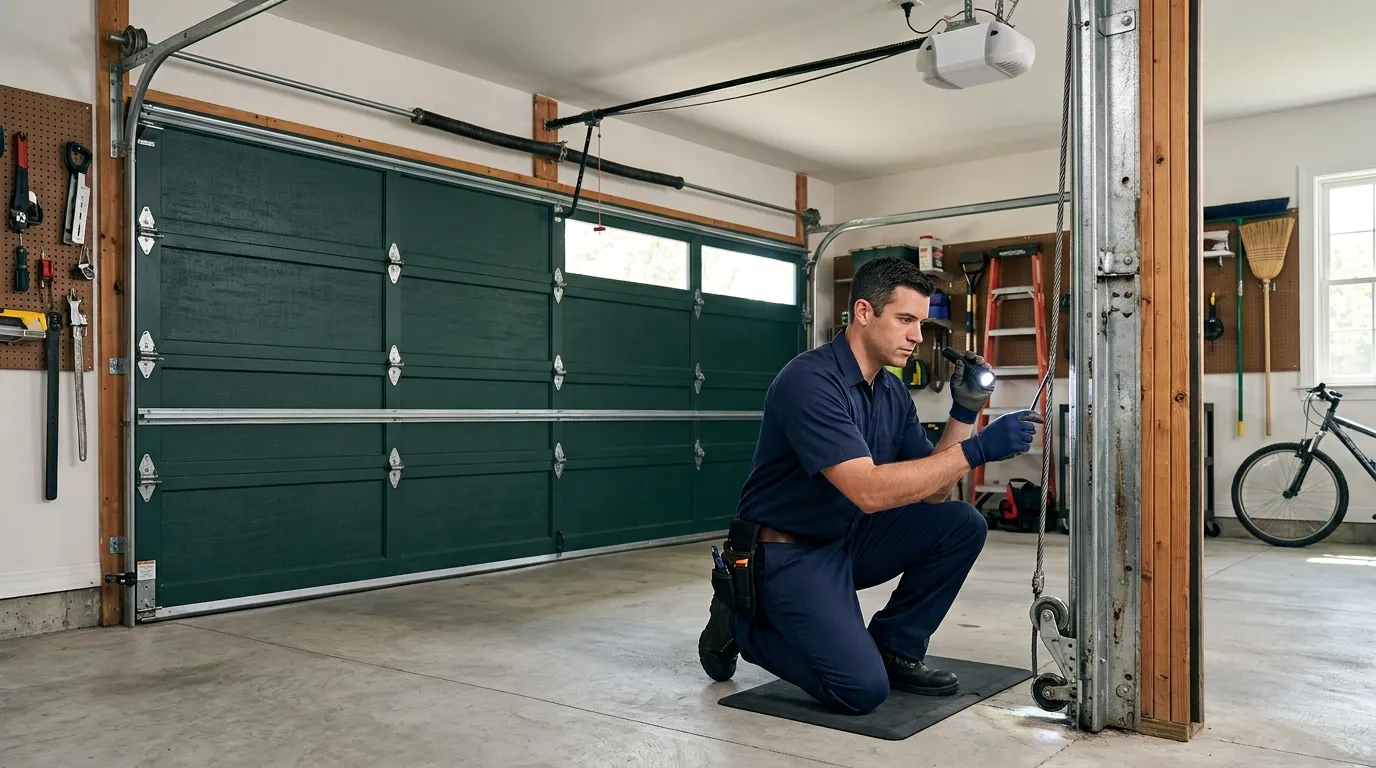
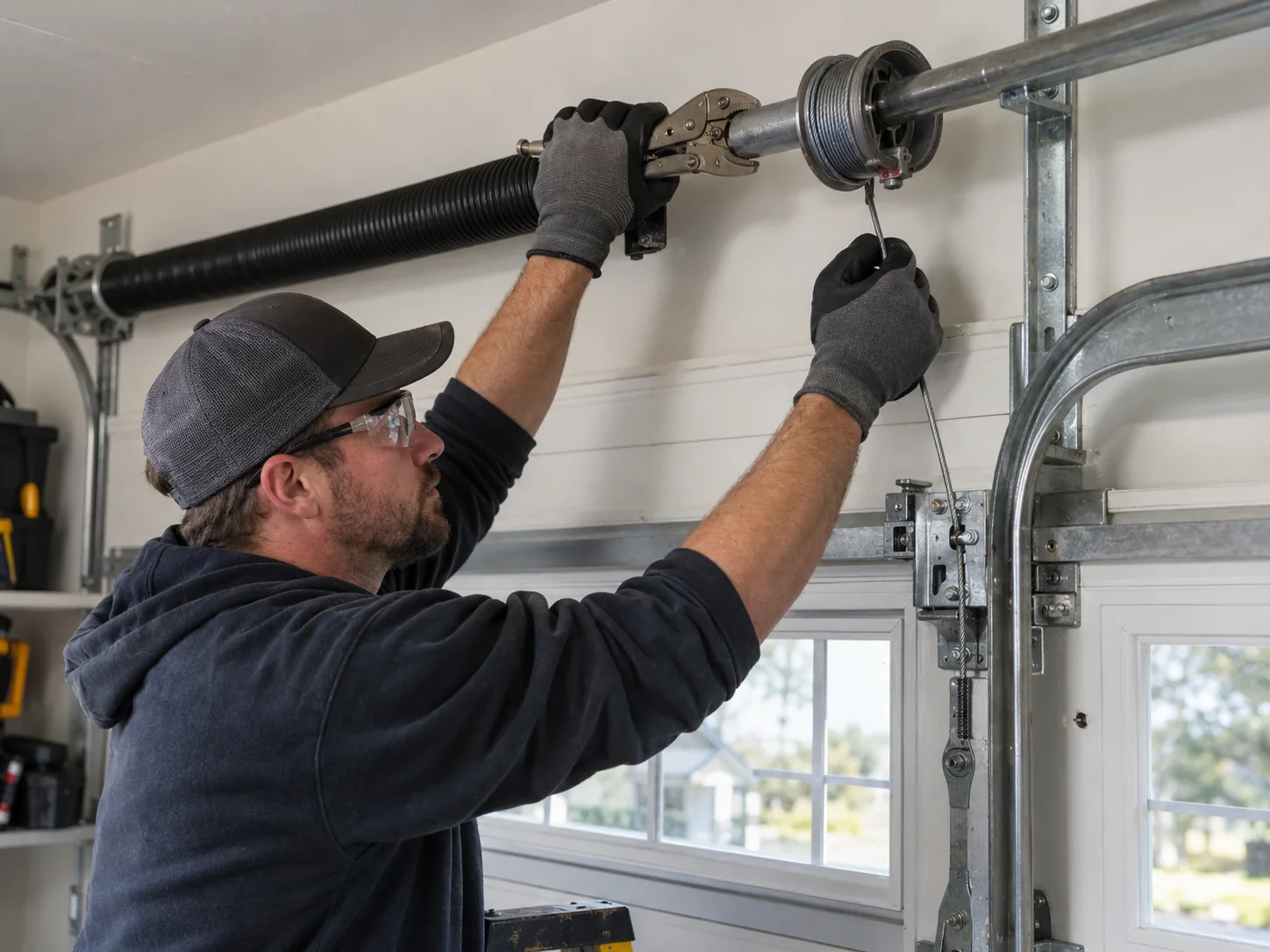
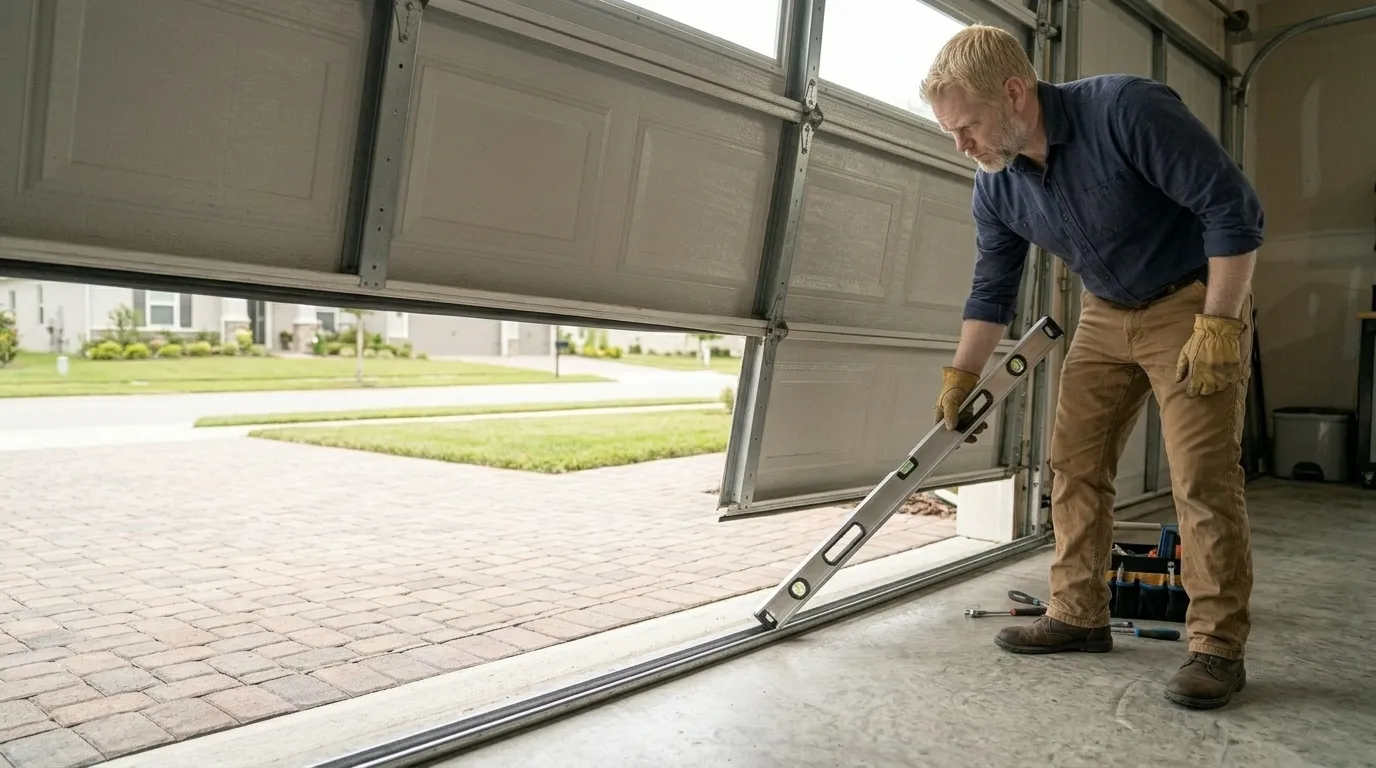
Vienna's winters fall in a cold, severe climate band. That matters more than people think: cold snaps make old torsion springs brittle, pull metal tracks out of alignment, and turn a sluggish opener into a dead one overnight. A door built to a mild-climate spec sheet decades ago wasn't built for what this area sees now.
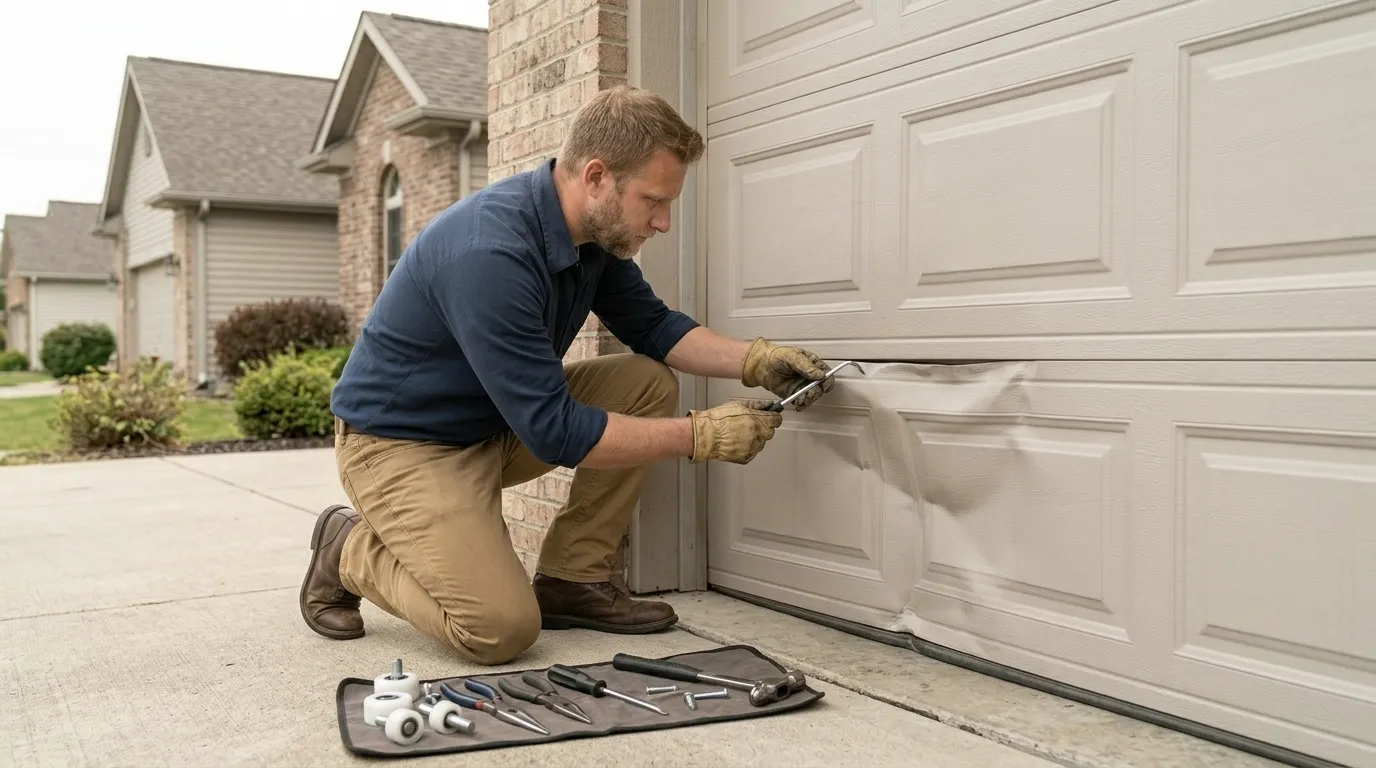
Put those two things together - a housing stock with a median year of 1977 and real winter stress - and you get a predictable failure curve. Doors here don't usually fail because of bad luck. They fail because the hardware is decades past its design life and the season finally finds the weak point. That's the call we get most: not "my door broke today" but "my door finally broke."