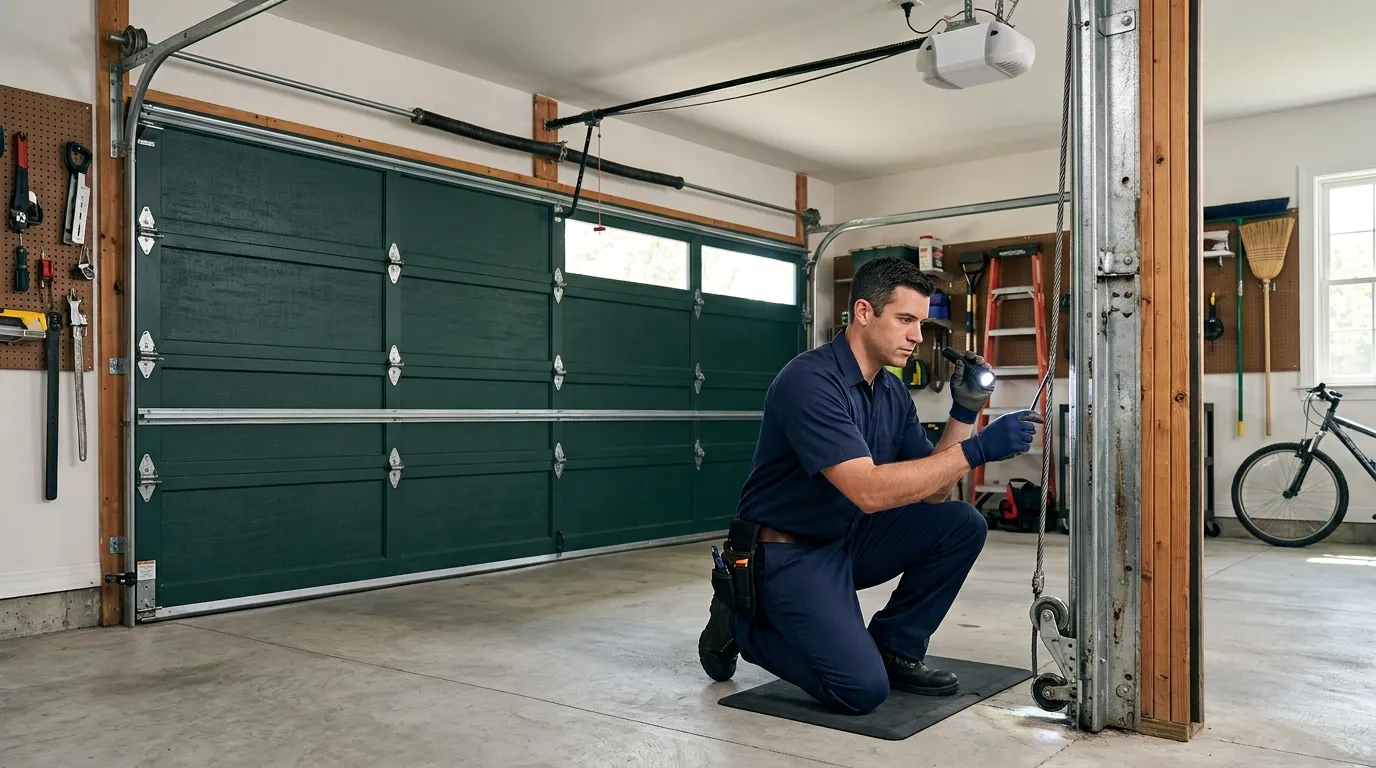
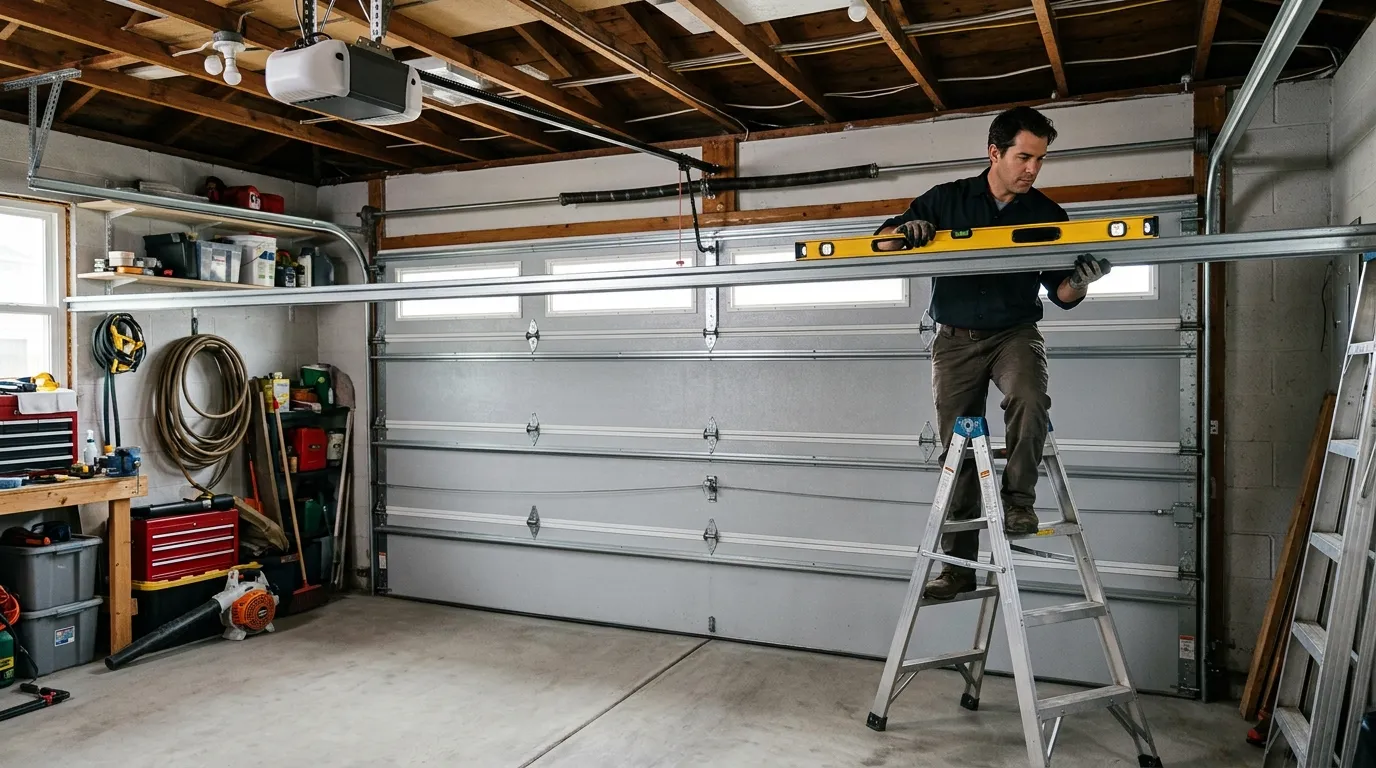
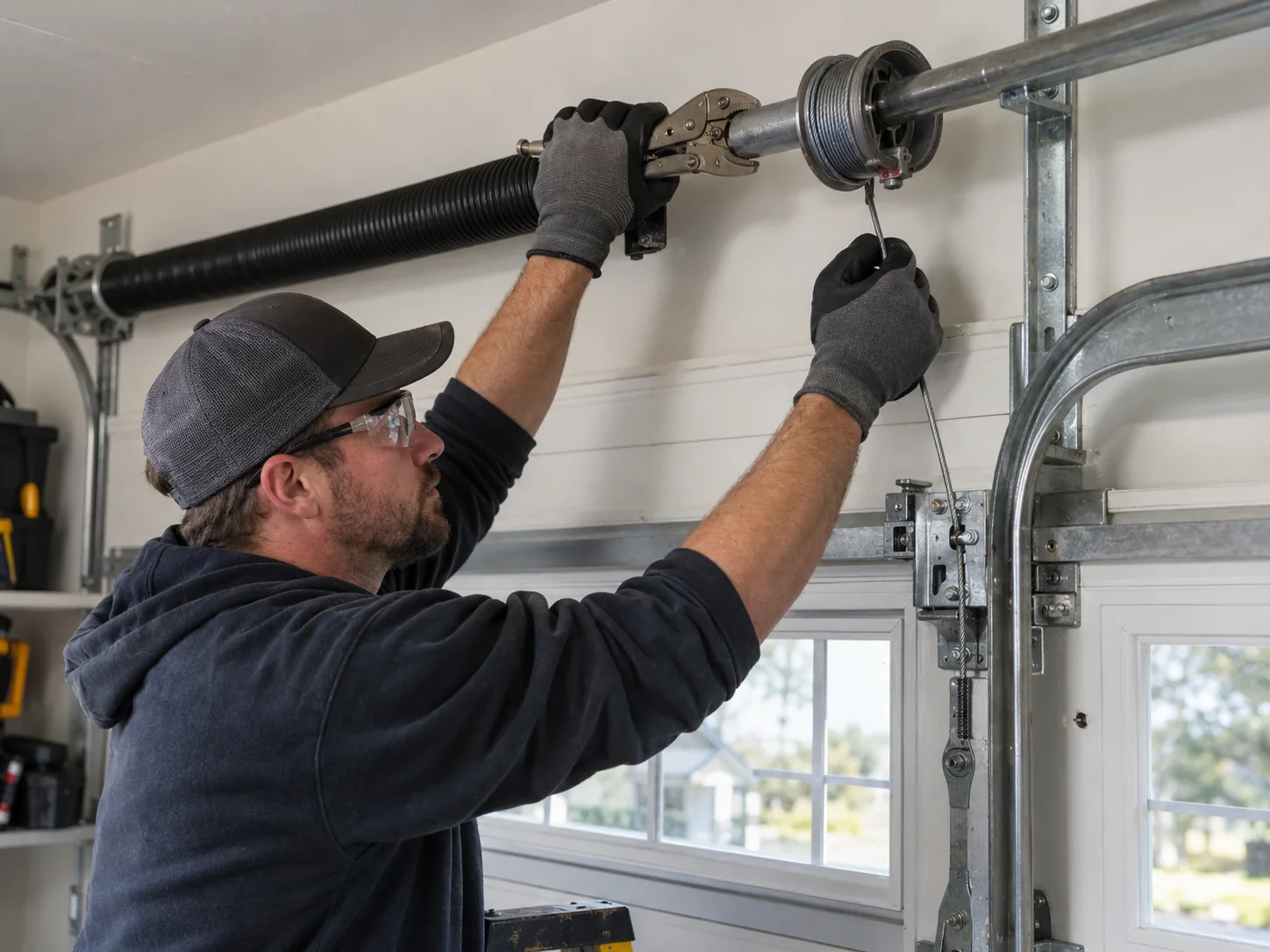
Most of the doors we service in this area sit on houses built between 1940 and 2015, with the median build year landing around 1977. That means a lot of original torsion springs, steel rollers, and weatherstrip that's older than the owner realizes. The 24 named neighborhoods we cover skew heavily toward 1960s and 1970s construction, and that generation of garage door hardware wasn't built with today's lubricants or seals in mind.
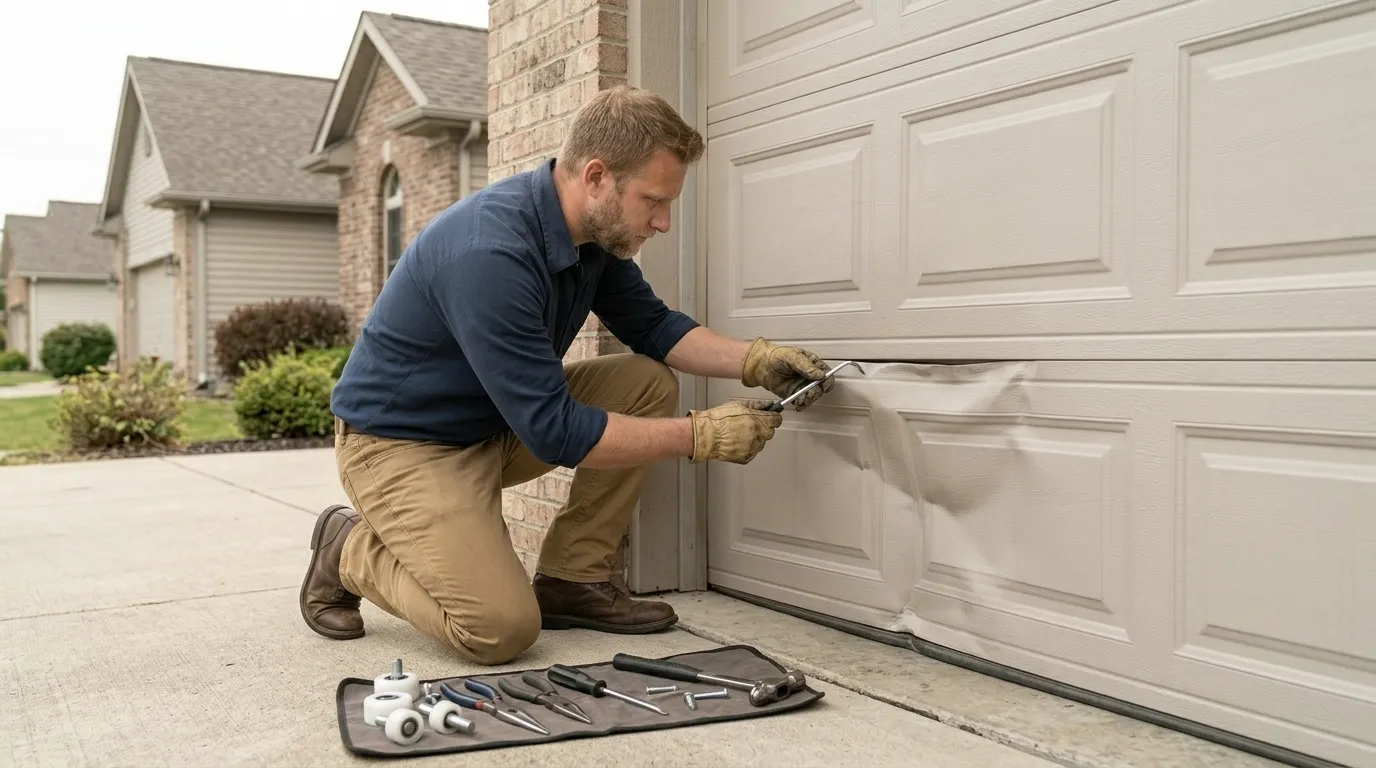
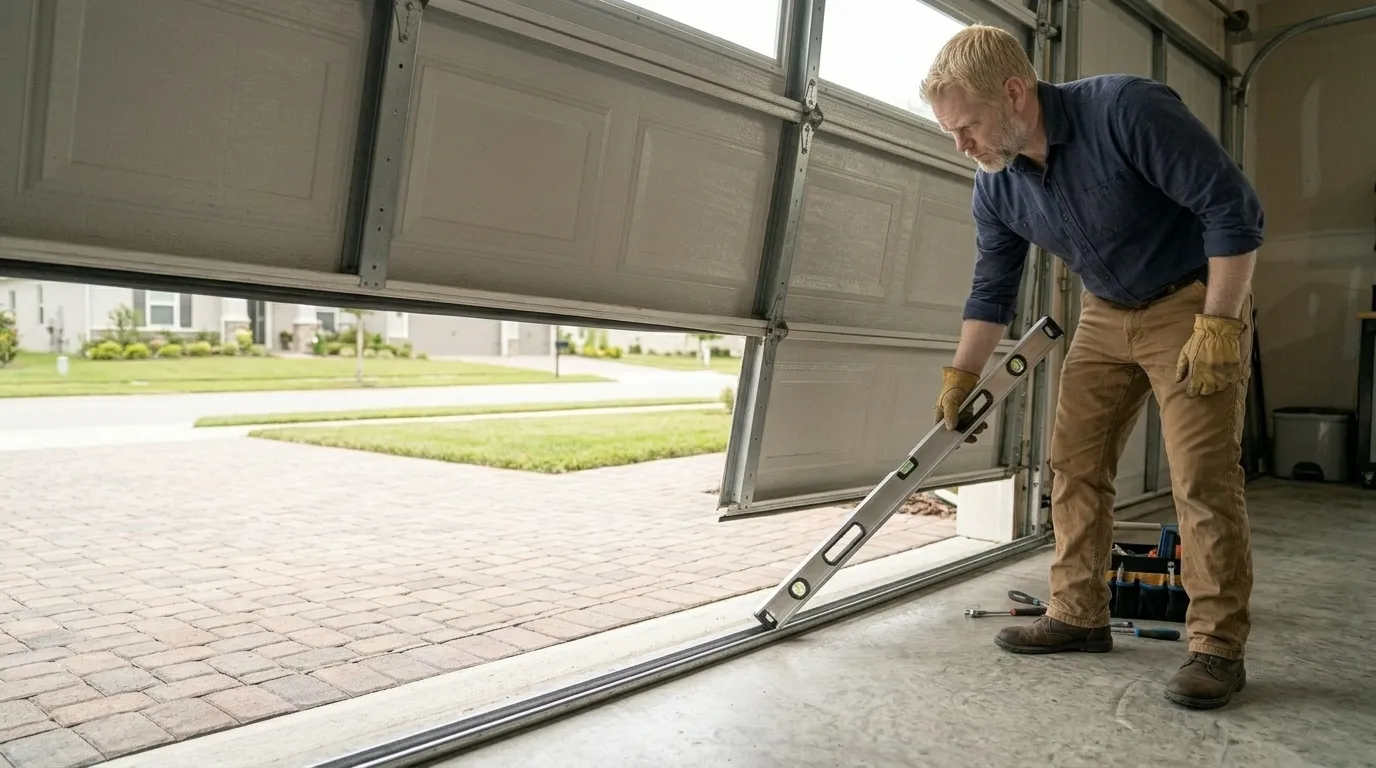
Add in a cold climate with real winter severity, and you get a specific pattern of failure: steel springs lose tension faster when the metal contracts in freezing temps, nylon rollers crack instead of wearing smoothly, and rubber astragal seals at the bottom of the door harden and split. None of this is dramatic - it's slow wear that shows up as a door that groans, sticks halfway, or won't seal against the cold at the threshold.
A door that was fine in October can bind hard in January simply because the spring never got checked and the cold did the rest. That's the failure mode maintenance is built to catch before it becomes a broken spring call at 7am on the coldest day of the year.